Introduction
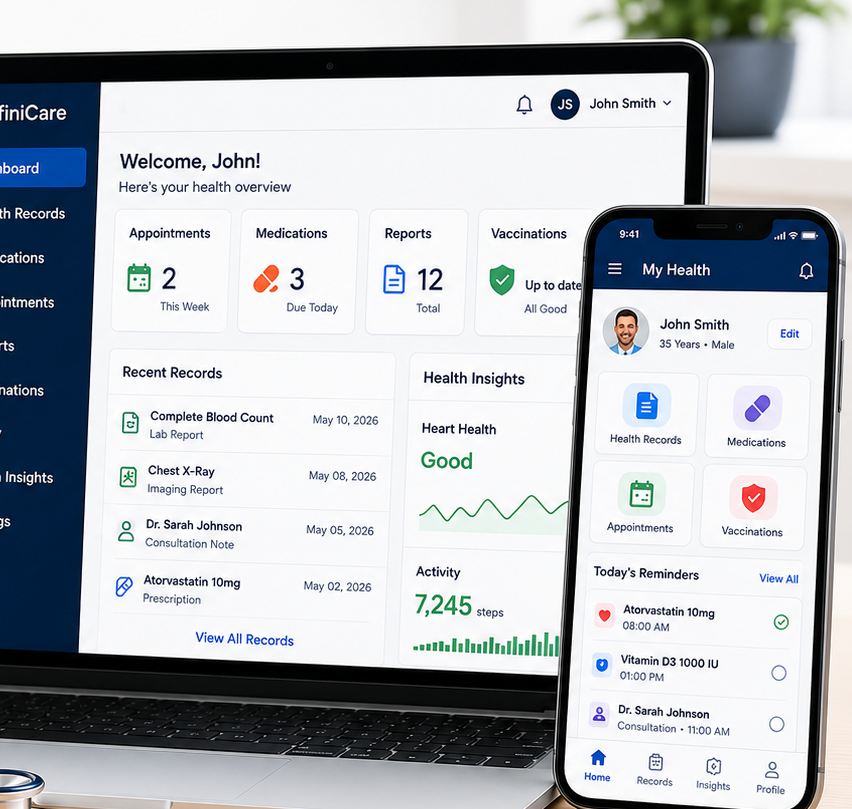
Centralized medical records bring all patient information into a single secure system, helping healthcare providers deliver faster, safer, and more coordinated care.
What Are Centralized Medical Records?
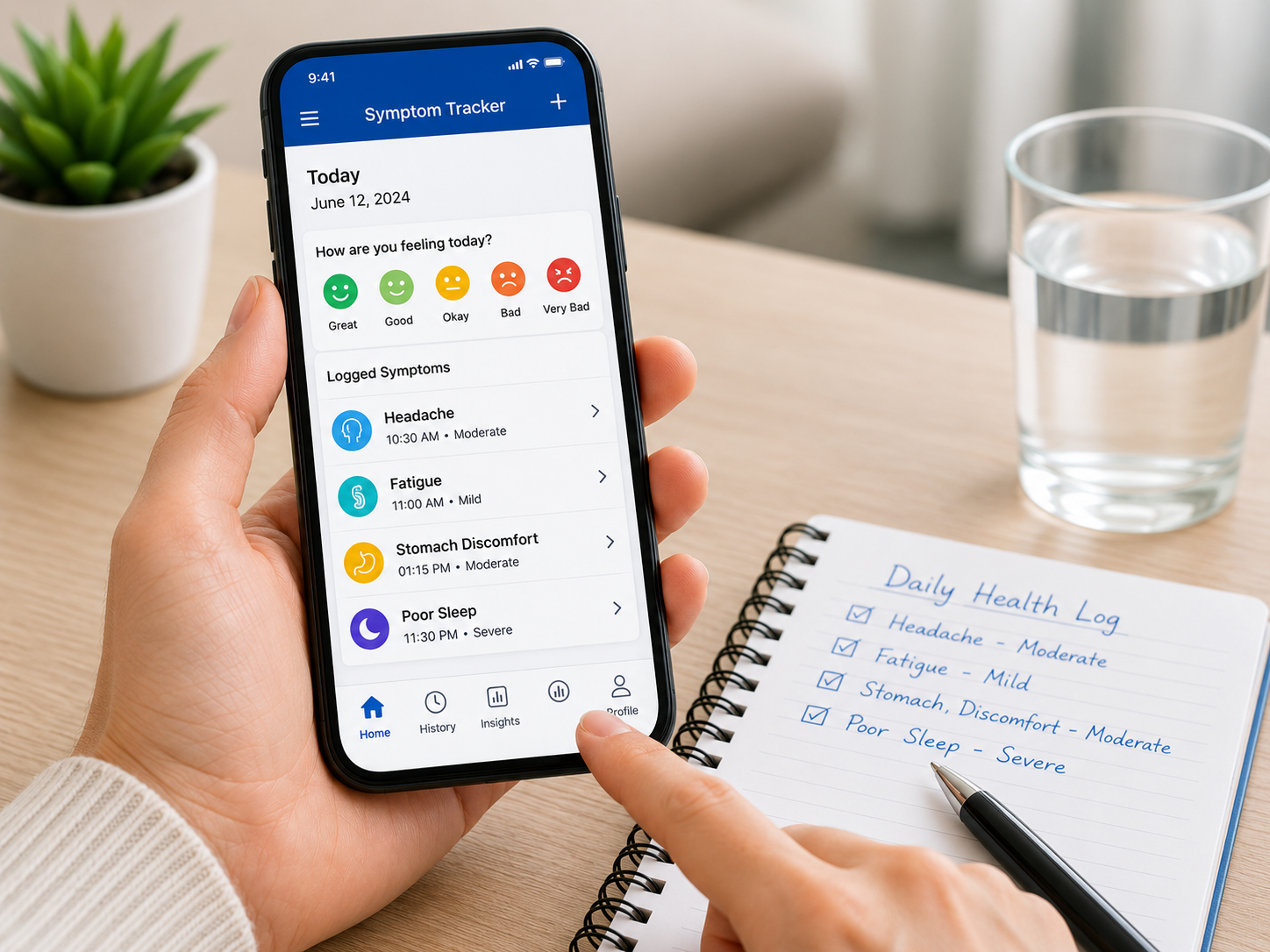
These are digital records that store a patient's medical history, prescriptions, reports, vaccination records, allergies, and insurance information in one place.
Why Medical Records Management Matters
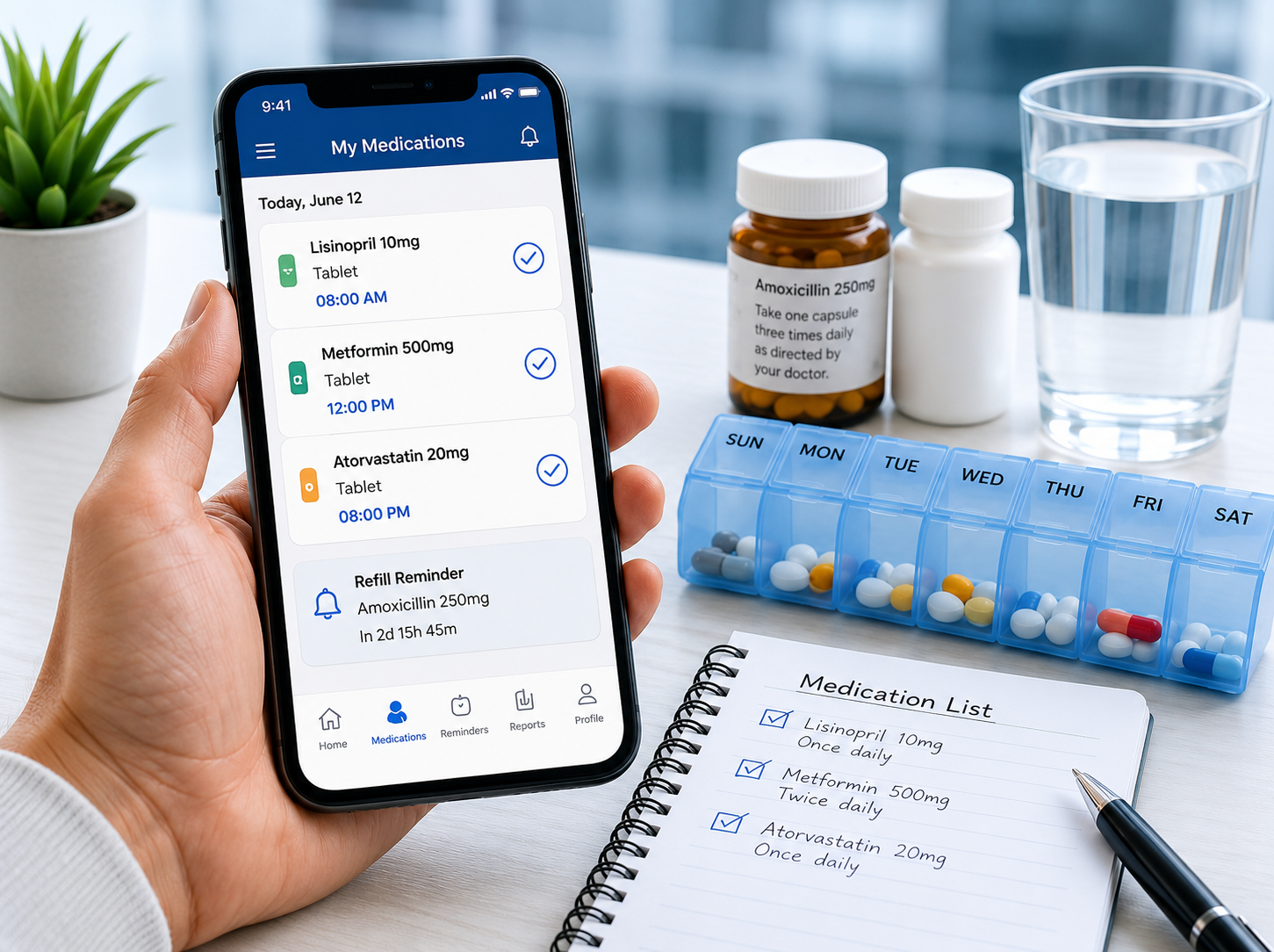
Poor record management can lead to delayed diagnoses, duplicate tests, medication errors, and higher healthcare costs. Centralized records help eliminate these challenges.
Benefits of Centralized Medical Records
1. Improved Patient Care
Doctors can access complete patient histories, enabling faster diagnoses and better treatment decisions.
2. Faster Emergency Response
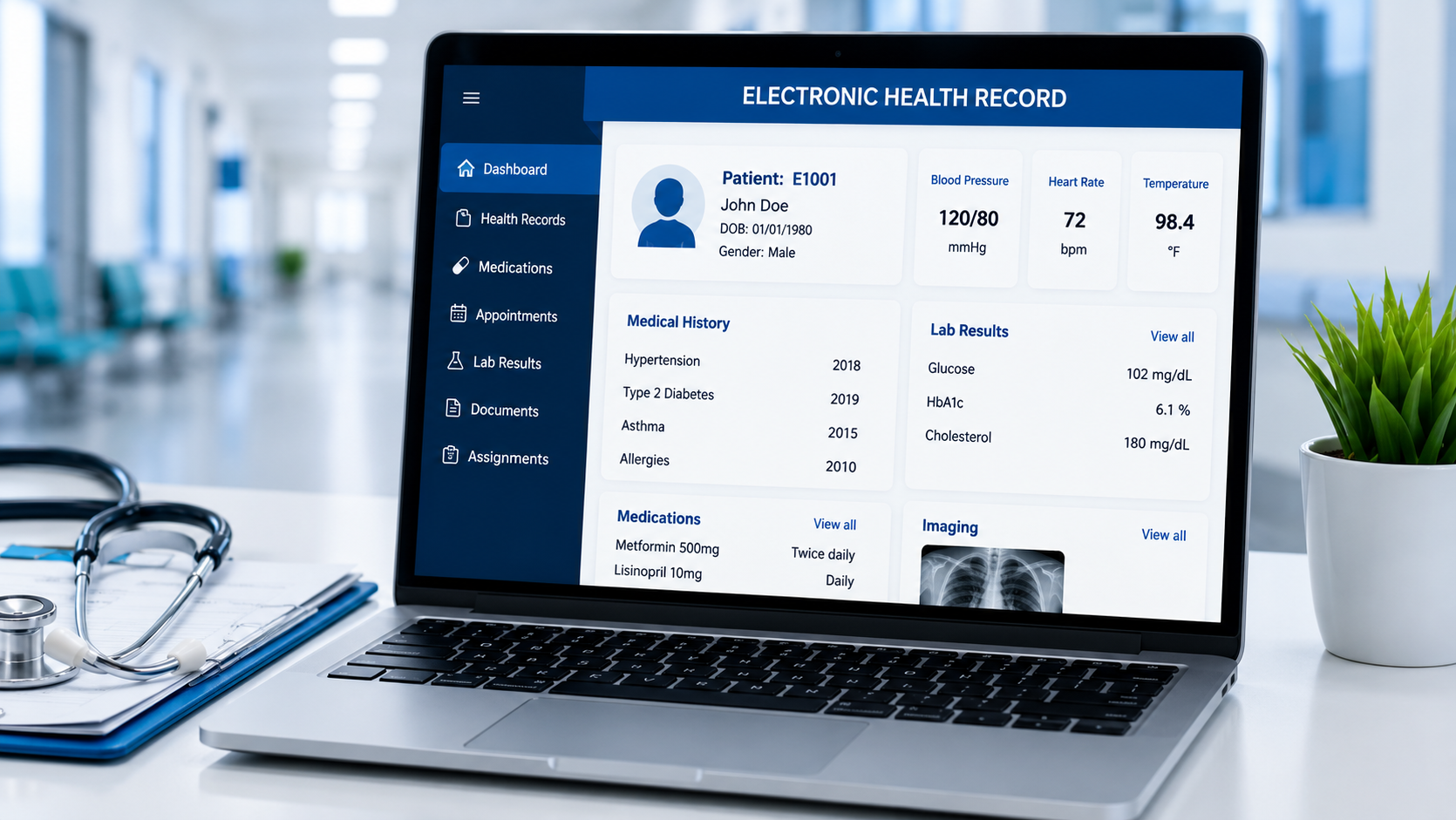
Critical information such as allergies, medications, and medical conditions is available instantly during emergencies.
3. Enhanced Care Coordination
Healthcare providers can easily share information, improving treatment continuity and patient outcomes.
4. Increased Patient Safety
Centralized records help identify drug interactions, allergies, and duplicate prescriptions.
5. Greater Efficiency
Digital systems reduce paperwork, simplify record retrieval, and improve operational workflows.
The Role of Healthcare Technology
Technologies such as Electronic Health Records (EHR), cloud storage, AI, and interoperable systems make centralized healthcare management possible.
How Centralized Records Improve Emergency Care
Immediate access to patient information helps healthcare teams make faster and more informed decisions, especially during critical situations.
Challenges in Implementation
Organizations may face challenges such as data privacy concerns, integration requirements, staff training, and implementation costs.
The Future of Medical Records Management
Future healthcare systems will leverage AI, telemedicine, remote monitoring, and secure data-sharing technologies to deliver more connected care.
Conclusion
Centralized medical records improve patient care, emergency response, and healthcare efficiency. As healthcare becomes more digital, they will play a vital role in delivering safer and more personalized care.
FAQs
What are centralized medical records?
Digital systems that store patient information in one secure platform.
How do they improve patient care?
They provide complete health histories for faster and better treatment decisions.
Why are they important in emergencies?
They provide instant access to critical medical information.
What is medical records management?
The process of organizing, storing, and maintaining patient health information.
How does technology support centralized records?
Through EHR systems, cloud computing, AI, and secure data-sharing standards.