Introduction: Why Monitoring Symptoms Matters
Many health conditions develop gradually and show warning signs long before diagnosis. Tracking symptoms helps individuals identify patterns, detect potential health issues early, and make informed healthcare decisions.
What Is Symptom Tracking?
Symptom tracking involves regularly recording health-related changes such as pain, fatigue, sleep quality, blood pressure, mood, and medication side effects to better understand overall health trends.
Why Symptom Tracking Is Important
Consistent health monitoring helps:
- Detect health issues early
- Monitor chronic conditions
- Evaluate treatment effectiveness
- Improve diagnosis accuracy
- Support preventive healthcare
The Role of Symptom Tracking in Preventive Healthcare
Early Detection of Health Conditions
Tracking symptoms can help identify warning signs of conditions like diabetes, hypertension, heart disease, asthma, and thyroid disorders.
Understanding Health Trends
Monitoring symptoms over time helps reveal recurring issues such as fatigue, migraines, digestive problems, or sleep disturbances.
Monitoring Chronic Diseases
Patients with chronic conditions can track key health indicators and share valuable information with healthcare providers.
Common Symptoms Worth Tracking
Physical Symptoms
Headaches, fever, fatigue, dizziness, pain, and breathing difficulties.
Mental and Emotional Symptoms
Stress, anxiety, mood changes, and concentration problems.
Lifestyle Indicators
Sleep quality, exercise habits, diet changes, hydration, and energy levels.
How Digital Symptom Trackers Are Transforming Healthcare
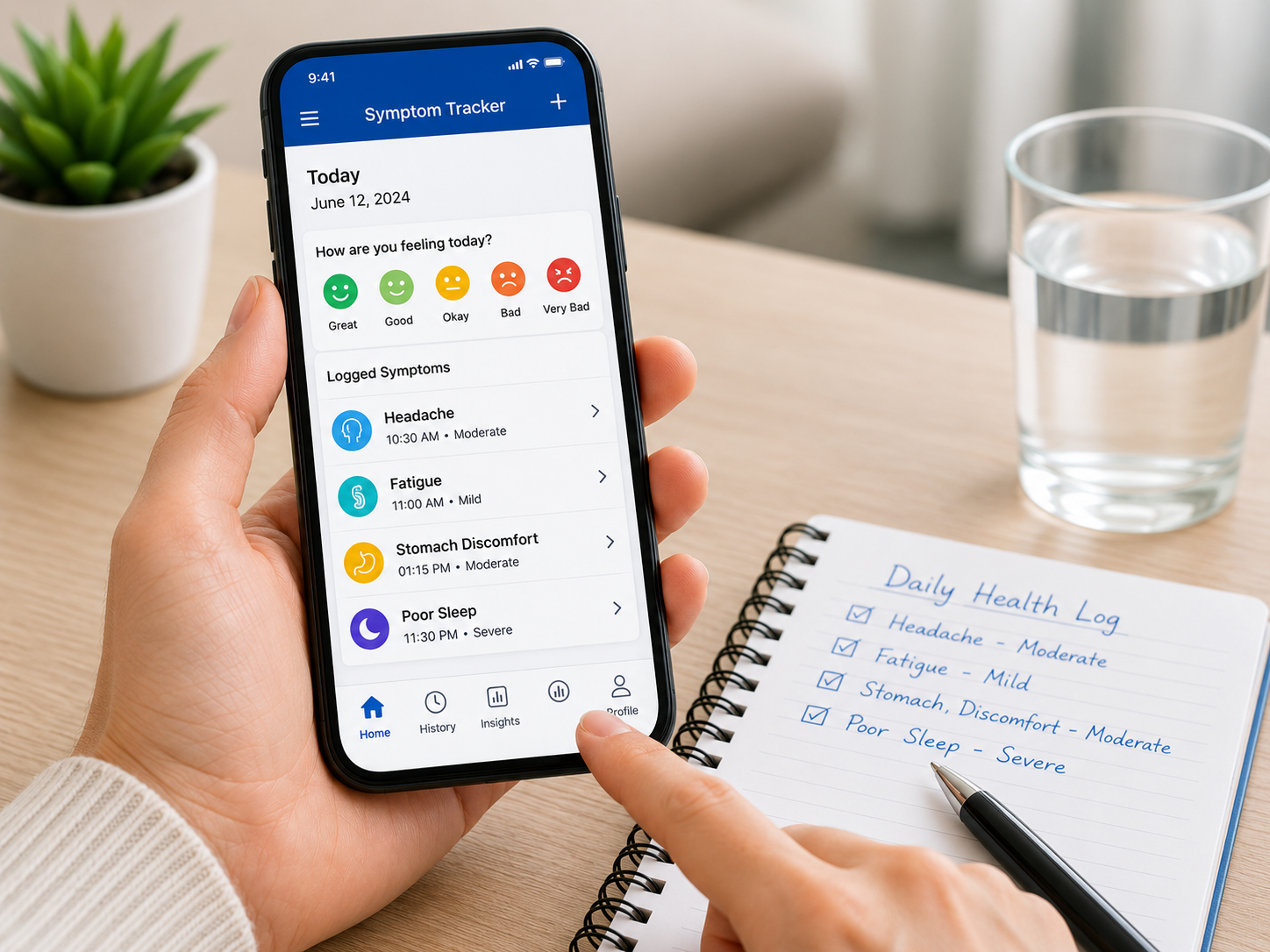
Digital symptom trackers allow users to record symptoms, monitor trends, generate reports, and access health information anytime from a secure platform.
Benefits of Using a Symptom Tracker
Better Communication with Doctors
Accurate symptom records help healthcare providers make better diagnoses and treatment decisions.
Improved Treatment Monitoring
Patients can track progress and understand how treatments affect their symptoms.
Personalized Health Insights
Digital tools help identify connections between symptoms, lifestyle habits, and overall wellness.
Reduced Healthcare Risks
Early identification of warning signs can help prevent serious health complications.
Symptom Tracking and Digital Health Records
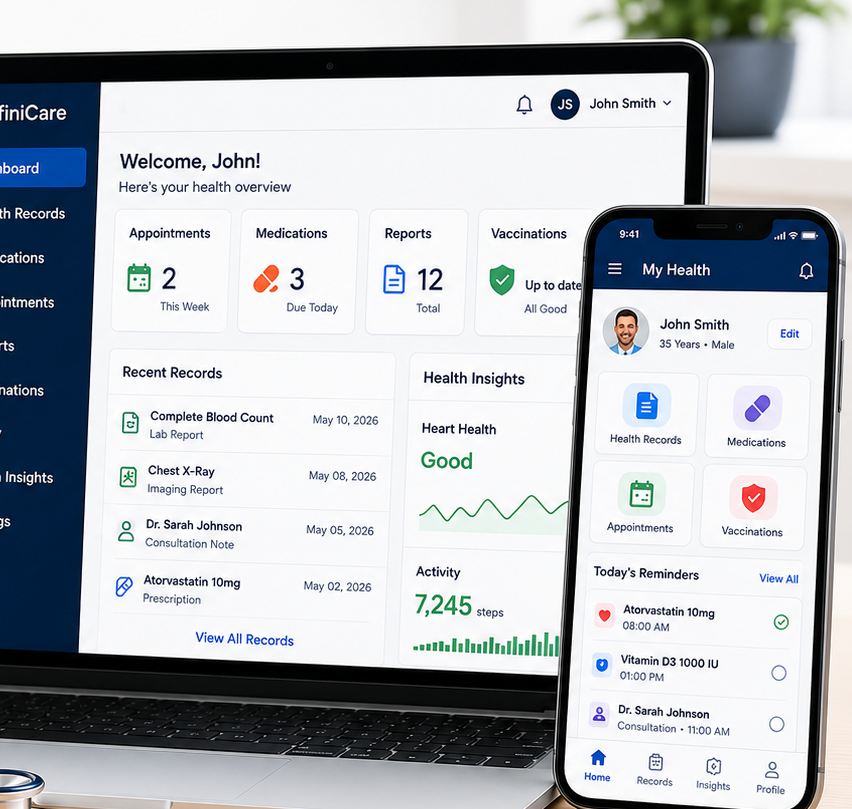
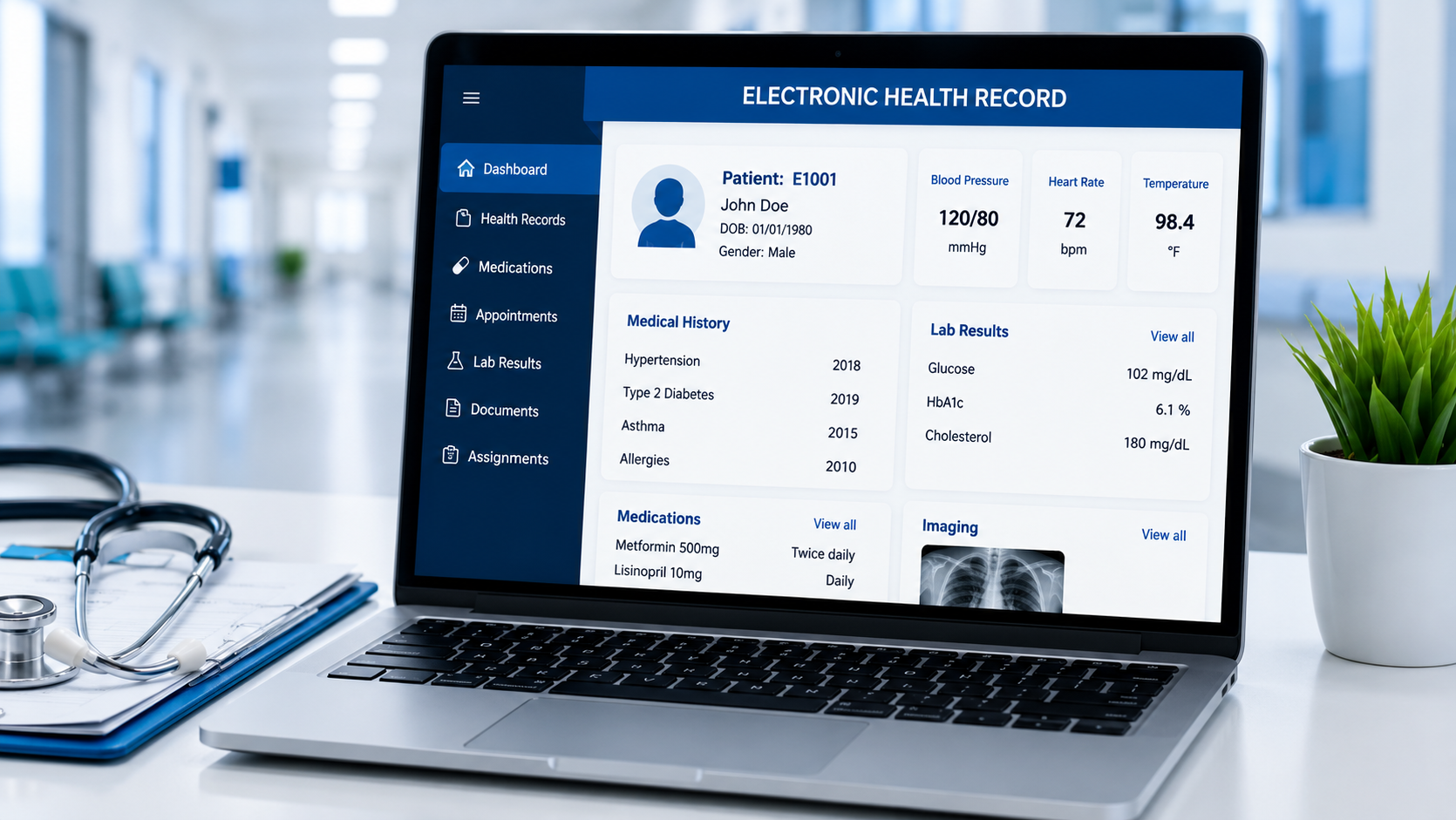
When combined with digital health records, symptom data creates a complete health profile that supports more accurate and personalized care.
The Future of Health Monitoring
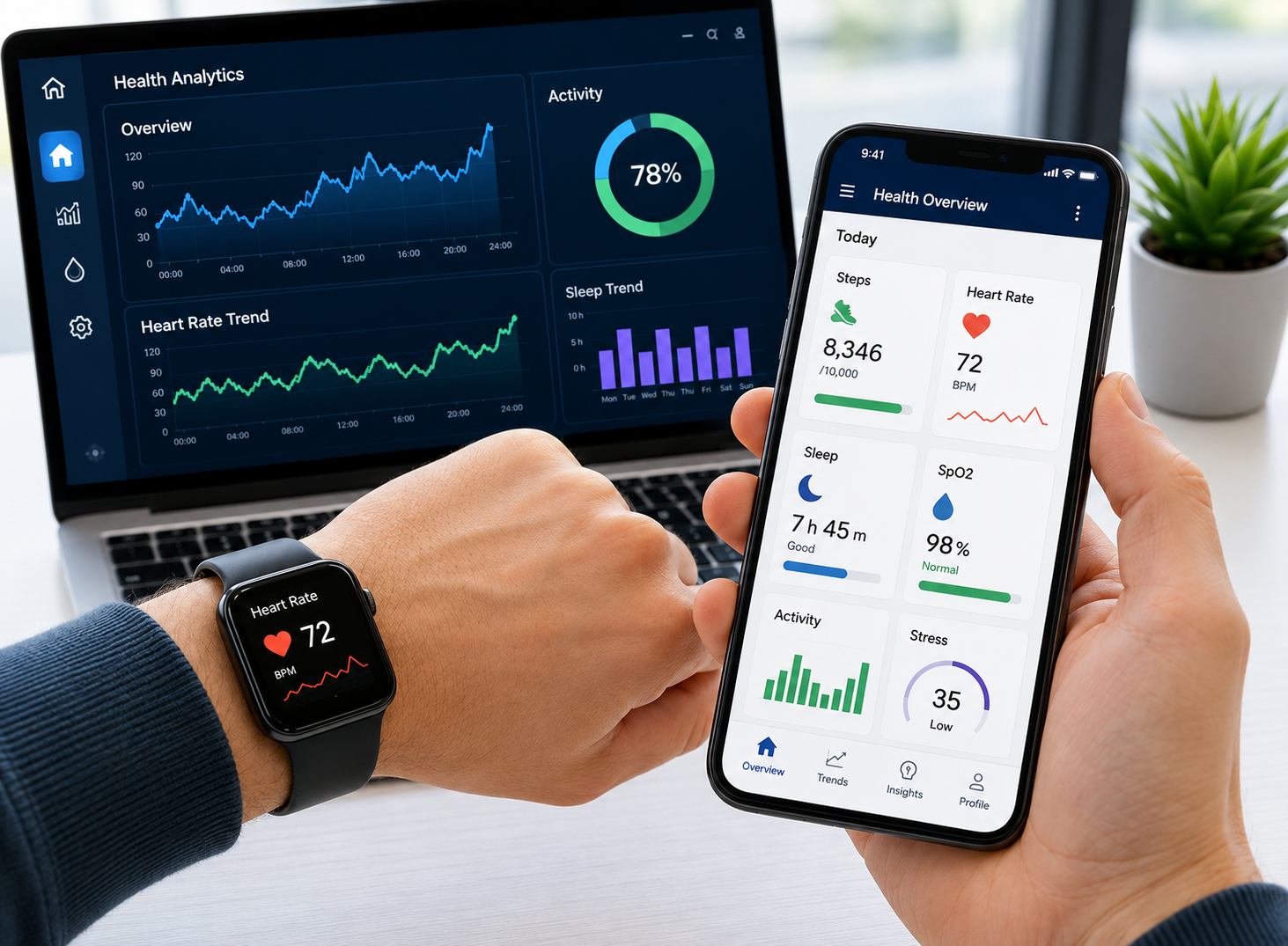
Advances in AI, wearable devices, and predictive healthcare are making symptom tracking smarter and more proactive.
Best Practices for Effective Symptom Tracking
- Record symptoms consistently
- Include severity and duration
- Track sleep, diet, stress, and exercise
- Share information with healthcare providers
Why Every Individual Should Consider Symptom Tracking
Symptom tracking helps people recognize health changes early, improve healthcare communication, and take a more proactive approach to wellness.
Conclusion
Symptom tracking is a simple but powerful tool for preventive healthcare. Modern digital solutions make it easier to monitor health, detect problems early, and support better healthcare decisions.