Introduction
Modern healthcare is shifting from treating illnesses to preventing them. Many conditions such as diabetes, hypertension, heart disease, and certain cancers develop silently. Regular health assessments and preventive screenings help detect risks early and improve long-term health outcomes.
What Is Preventive Healthcare?
Preventive healthcare focuses on identifying health risks before they become serious conditions. It includes health screenings, wellness assessments, vaccinations, and healthy lifestyle practices.
Why Preventive Healthcare Is Important
Rising lifestyle diseases, increasing healthcare costs, and longer life expectancy have made prevention more important than ever. Early intervention often leads to better outcomes and lower treatment costs.
The Power of Early Detection
Early detection helps identify conditions before symptoms appear, allowing:
- Faster treatment
- Better recovery rates
- Lower healthcare costs
- Reduced complications
Regular screenings can help detect diabetes, hypertension, heart disease, and certain cancers at an early stage.
Key Components of Preventive Healthcare
Regular Health Assessments
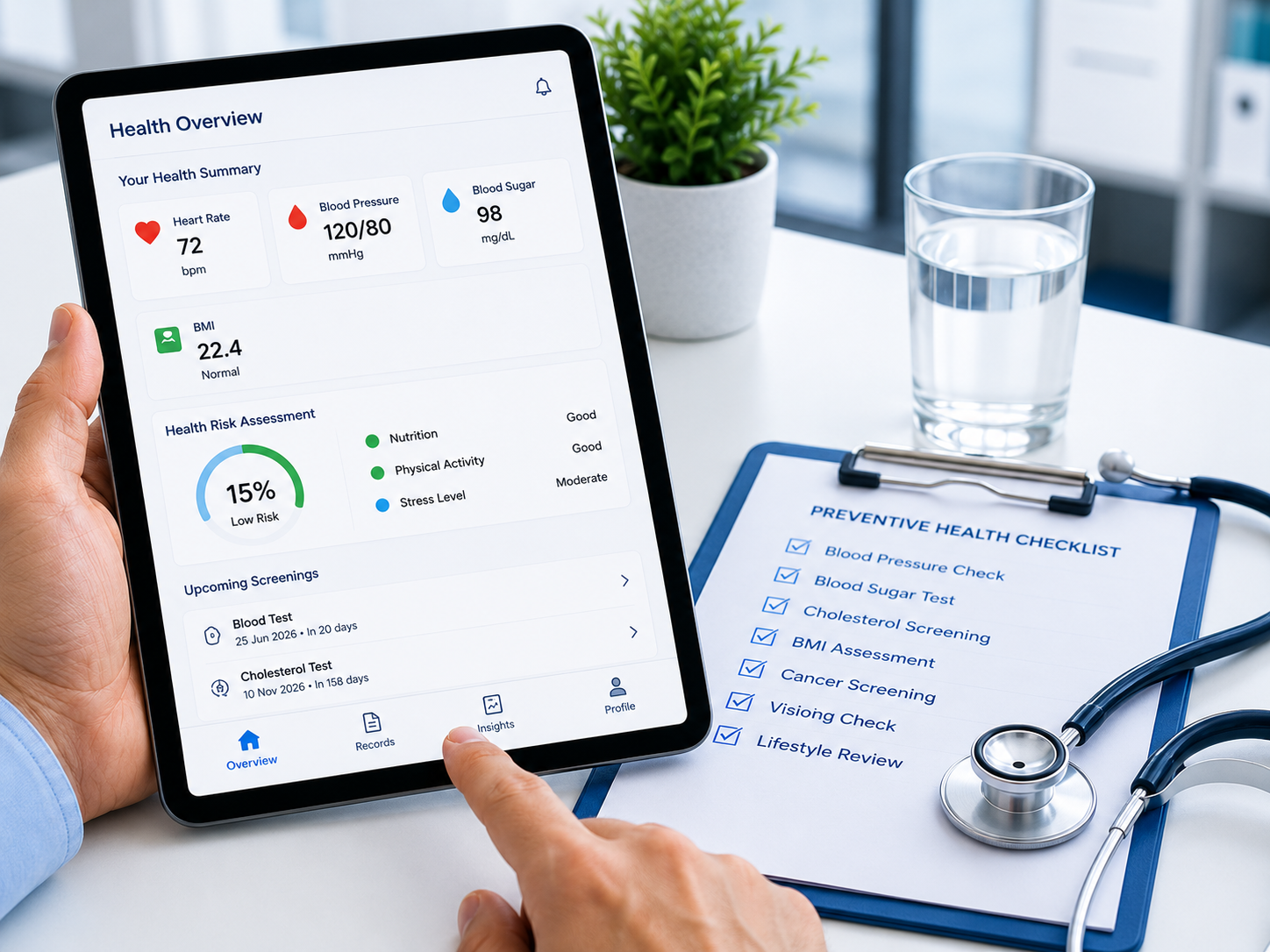
Routine checks for blood pressure, blood sugar, cholesterol, and overall wellness help identify potential health risks.
Preventive Screenings
Screenings support early diagnosis of conditions before symptoms develop.
Vaccinations
Immunizations remain one of the most effective preventive healthcare measures.
Lifestyle Risk Assessment
Monitoring diet, exercise, sleep, and stress levels helps reduce long-term health risks.
Wellness Management
Good health requires more than screenings. Healthy nutrition, regular exercise, quality sleep, and stress management all contribute to long-term wellness.
How Technology Supports Preventive Healthcare
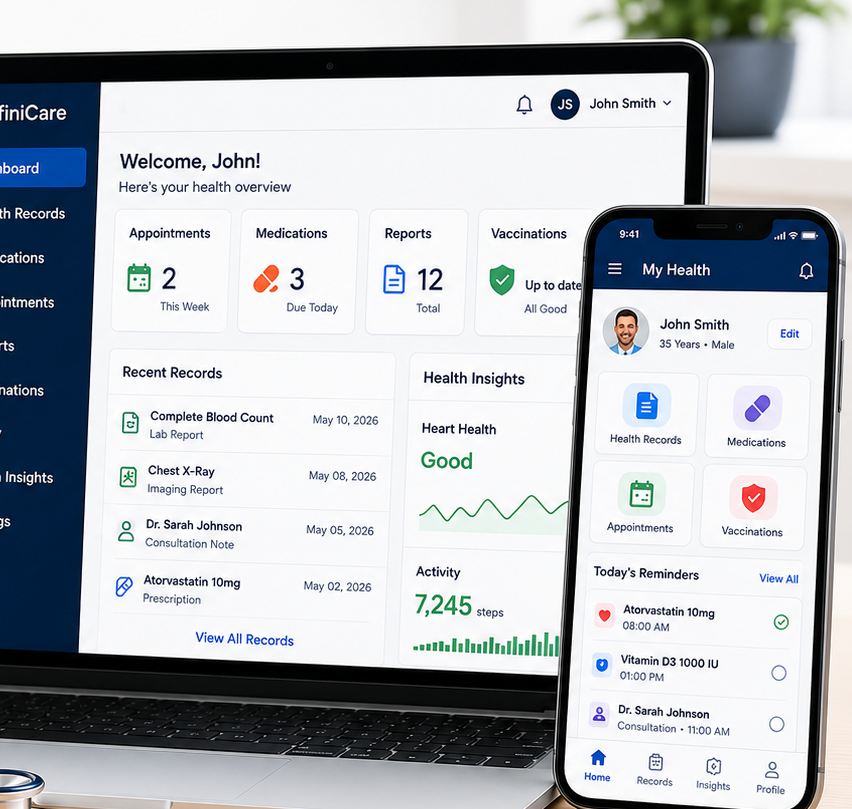
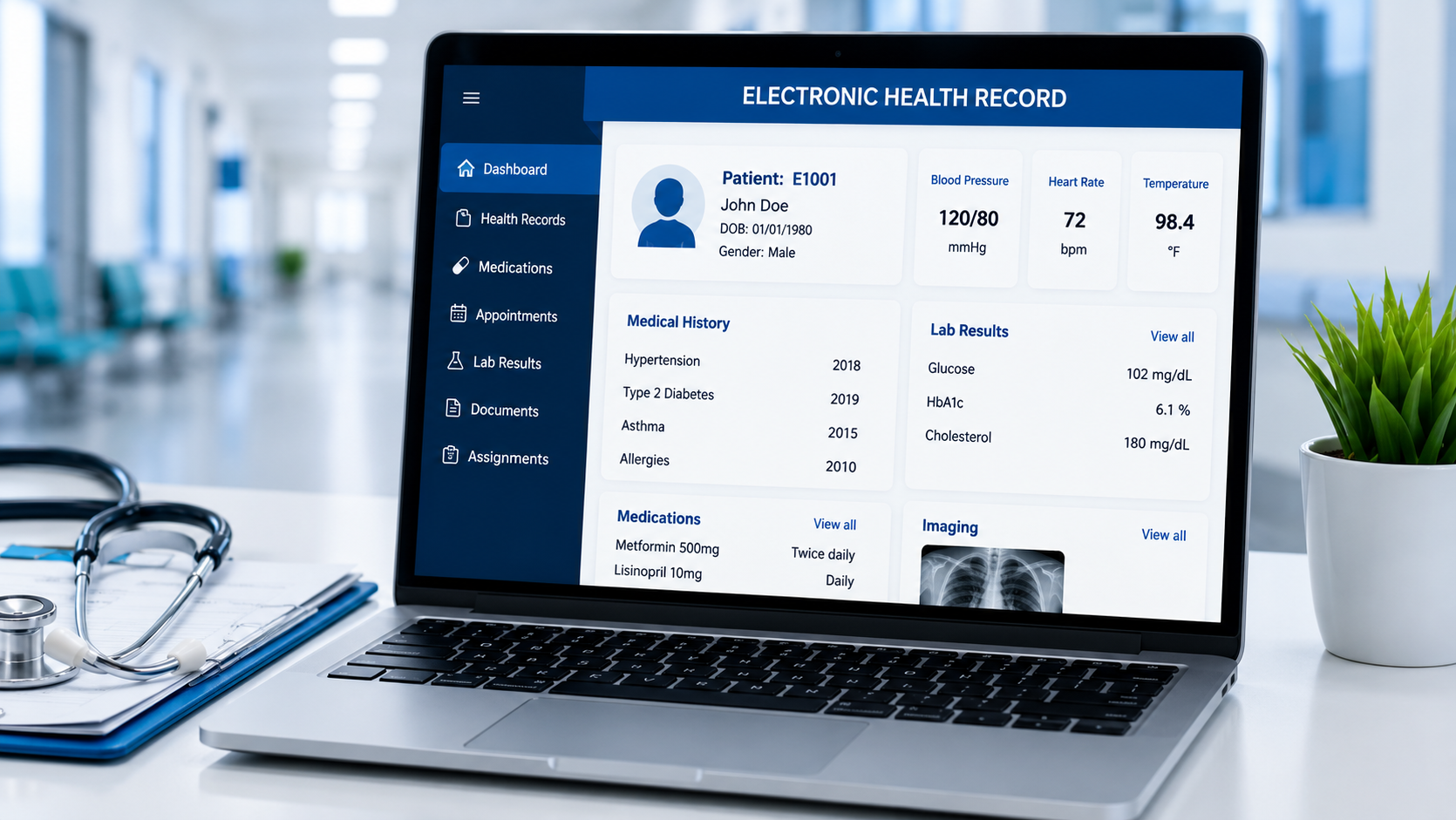
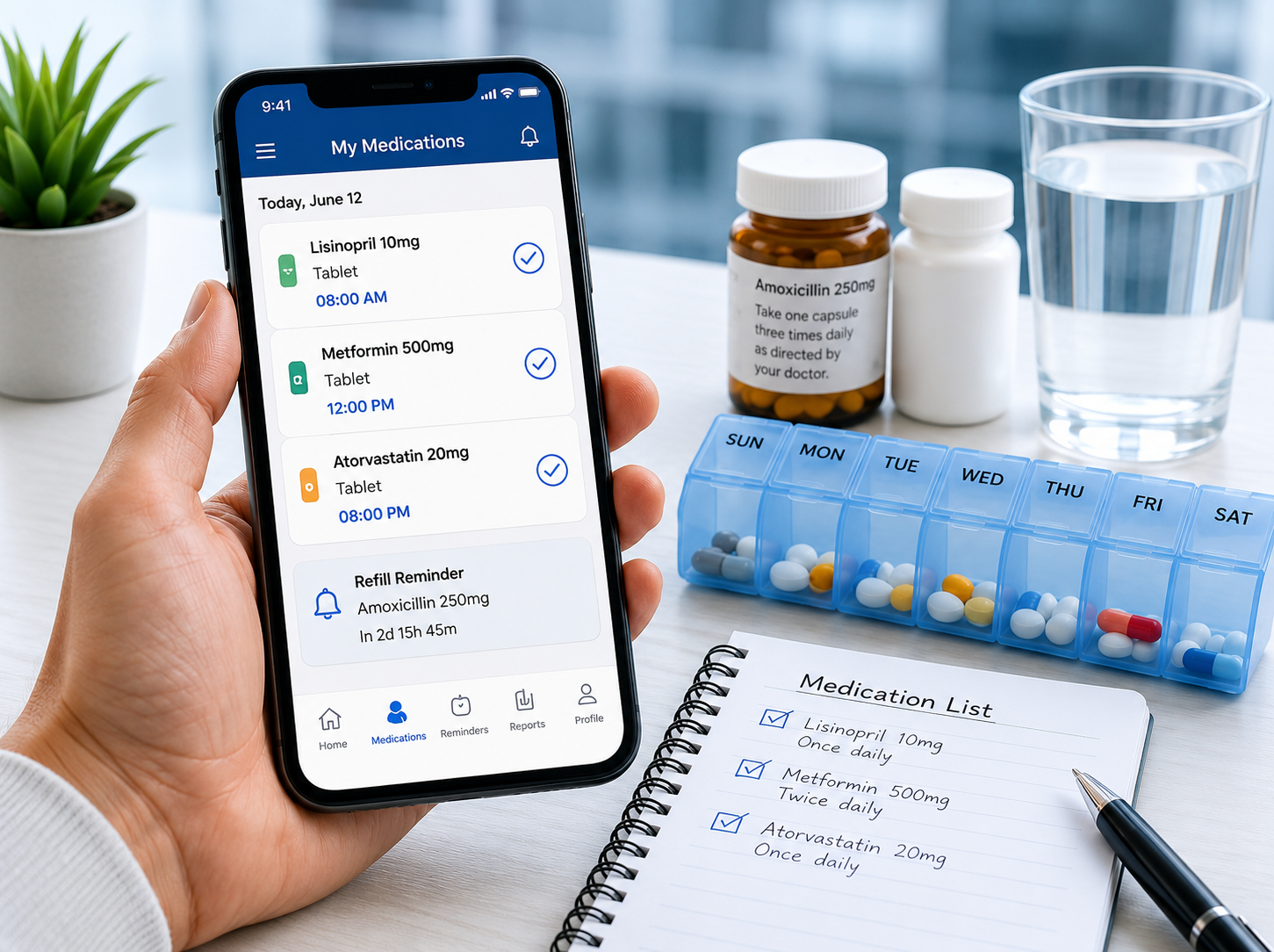
Digital health platforms make preventive care easier by helping individuals:
- Track health metrics
- Store medical records
- Monitor symptoms
- Receive health reminders
- Access healthcare information anytime
AI-powered tools and health monitoring apps are making preventive healthcare more personalized and effective.
Benefits of Preventive Healthcare
- Better health outcomes
- Reduced healthcare expenses
- Improved quality of life
- Longer life expectancy
- Greater peace of mind
Building a Preventive Healthcare Routine
Simple habits can make a significant difference:
- 1Schedule annual health checkups.
- 2Complete recommended screenings.
- 3Maintain a healthy lifestyle.
- 4Monitor key health indicators.
- 5Keep medical records organized.
The Future of Preventive Healthcare
Advances in AI, wearable devices, predictive analytics, and digital health platforms are helping individuals take a more proactive approach to healthcare.
Conclusion
Preventive healthcare is one of the most effective ways to protect long-term health. Through regular screenings, early detection, and proactive wellness management, individuals can reduce health risks, improve outcomes, and enjoy a healthier future.