Introduction
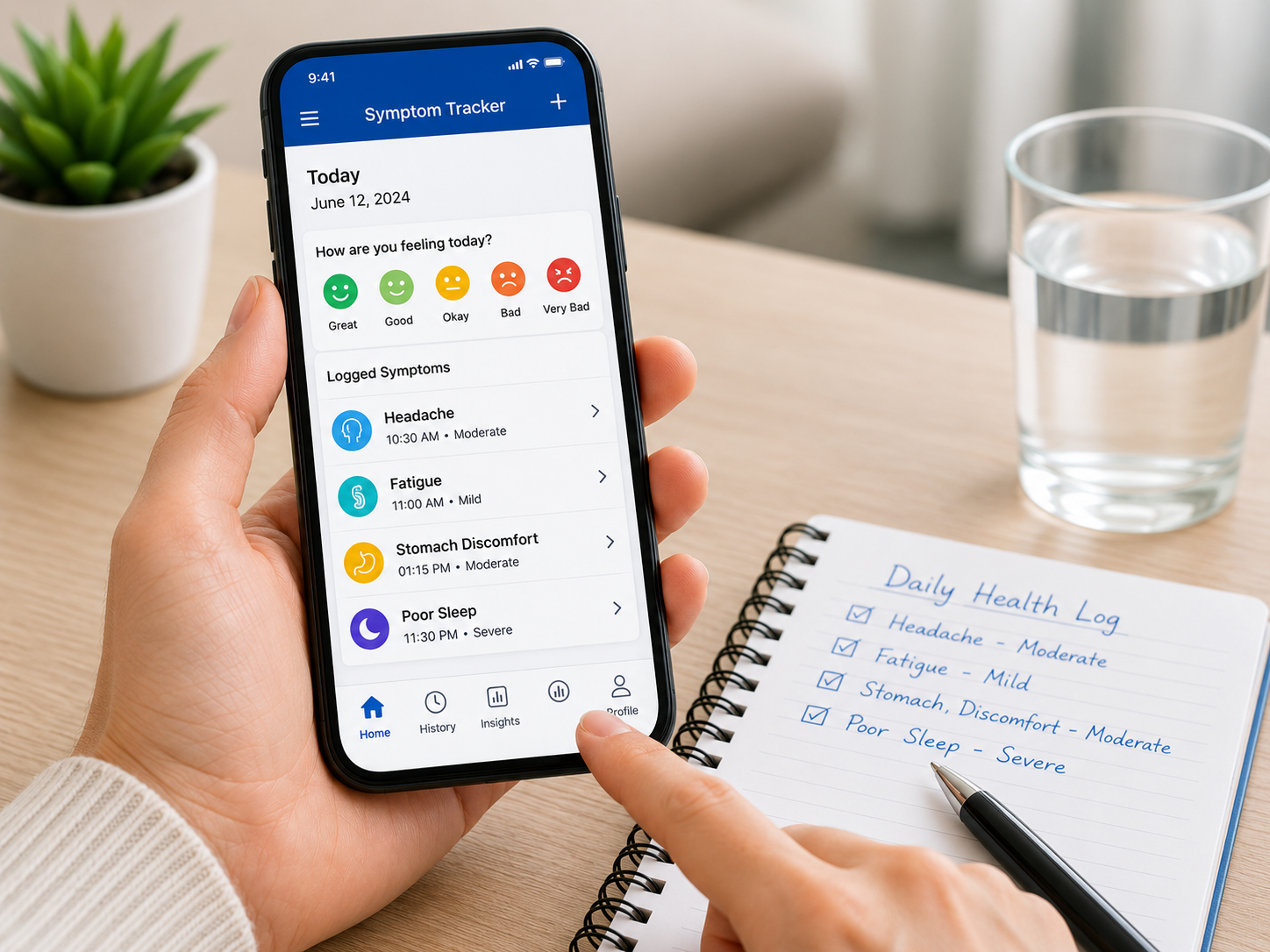
Wearable health devices such as smartwatches and fitness trackers help people monitor their health in real time. When combined with health analytics, this data can support preventive healthcare and healthier lifestyle decisions.
What Are Wearable Health Devices?
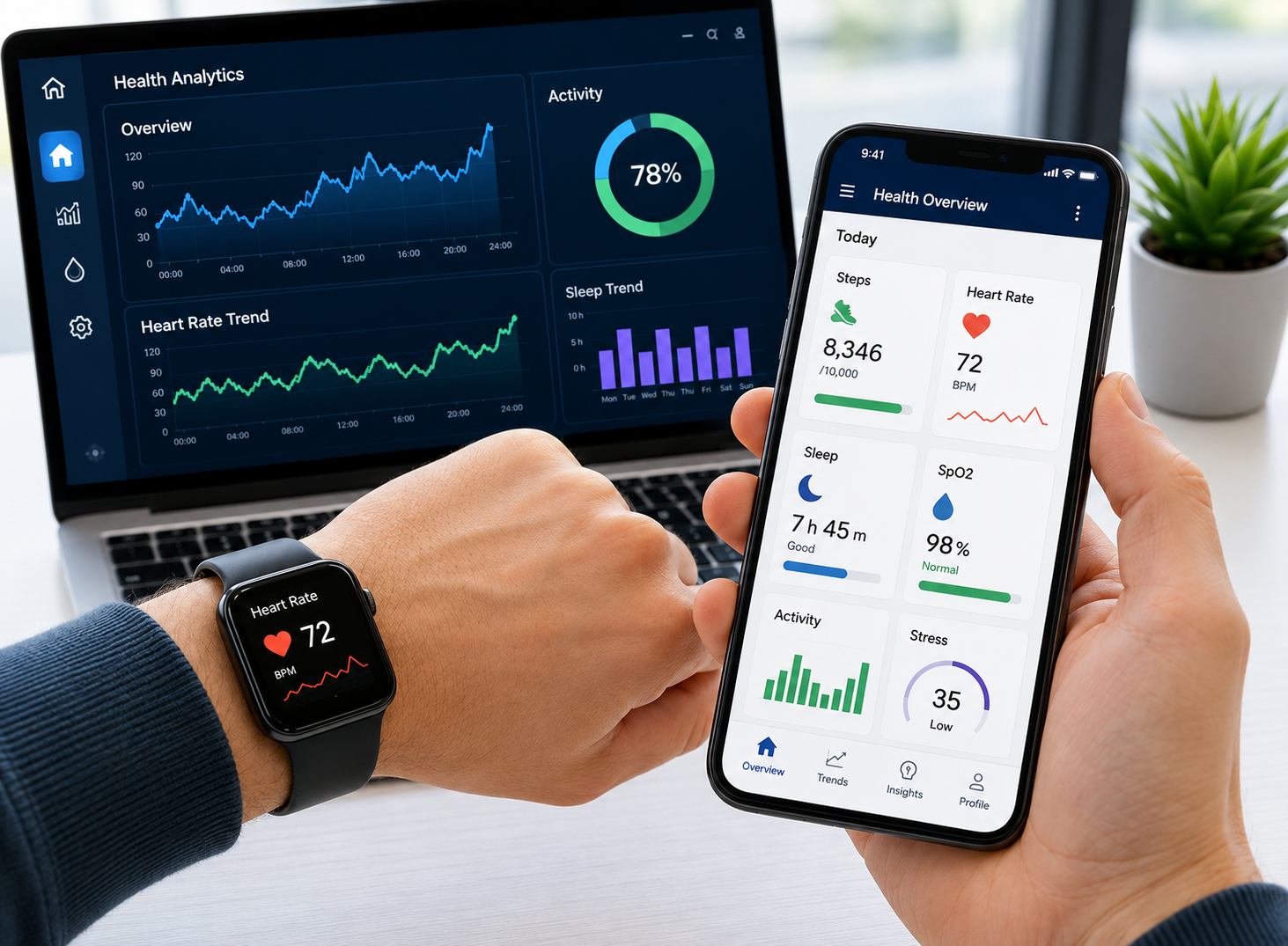
Wearables are devices that track health metrics such as heart rate, sleep, activity levels, blood oxygen, and stress levels.
The Rise of Smartwatch Health Tracking
Modern smartwatches can monitor:
- Heart rate
- Sleep quality
- Physical activity
- Blood oxygen levels
- Stress indicators
Why Health Data Alone Is Not Enough
Collecting data is only the first step. Health analytics helps users understand trends, identify risks, and take appropriate action.
What Is Health Analytics?
Health analytics converts wearable data into meaningful insights that support wellness, risk detection, and preventive healthcare.
How Wearable Data Creates Meaningful Insights
Identifying Health Trends
Tracking long-term patterns helps users understand changes in activity, sleep, and overall health.
Supporting Preventive Healthcare
Wearable devices can help detect early warning signs and encourage timely medical attention.
Personalized Wellness Recommendations
Insights can help improve sleep, increase activity levels, and support stress management.
Chronic Disease Monitoring
Wearables can assist individuals in monitoring conditions such as heart disease, hypertension, and diabetes.
The Role of AI in Health Analytics
AI helps analyze wearable data, identify unusual patterns, and provide personalized health recommendations.
Benefits of Wearable Health Devices
- Continuous health monitoring
- Greater health awareness
- Improved motivation
- Better patient engagement
- Data-driven health decisions
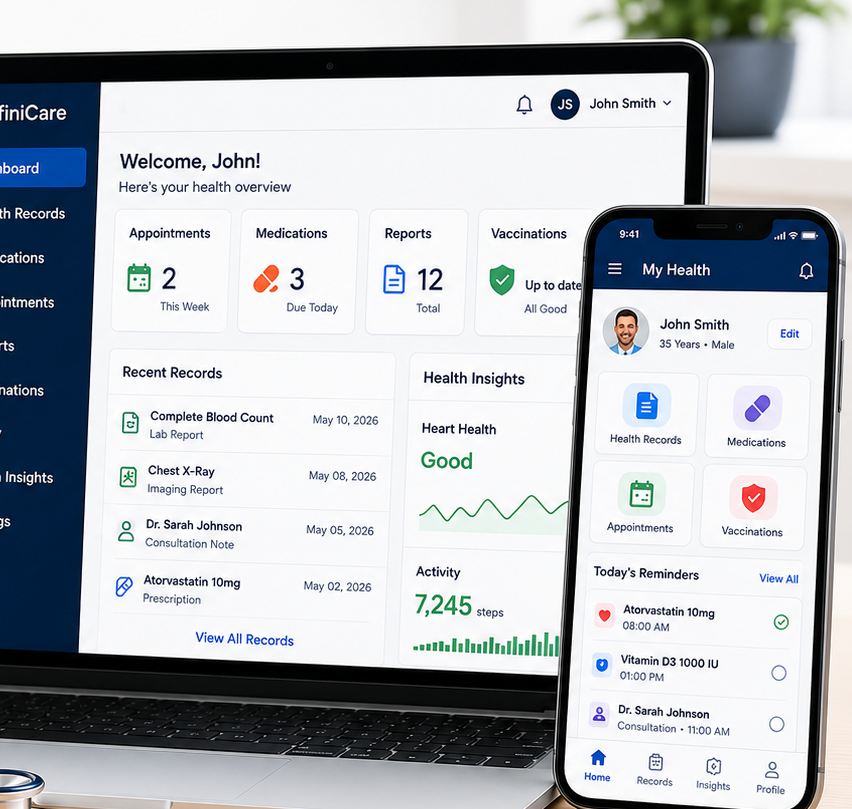
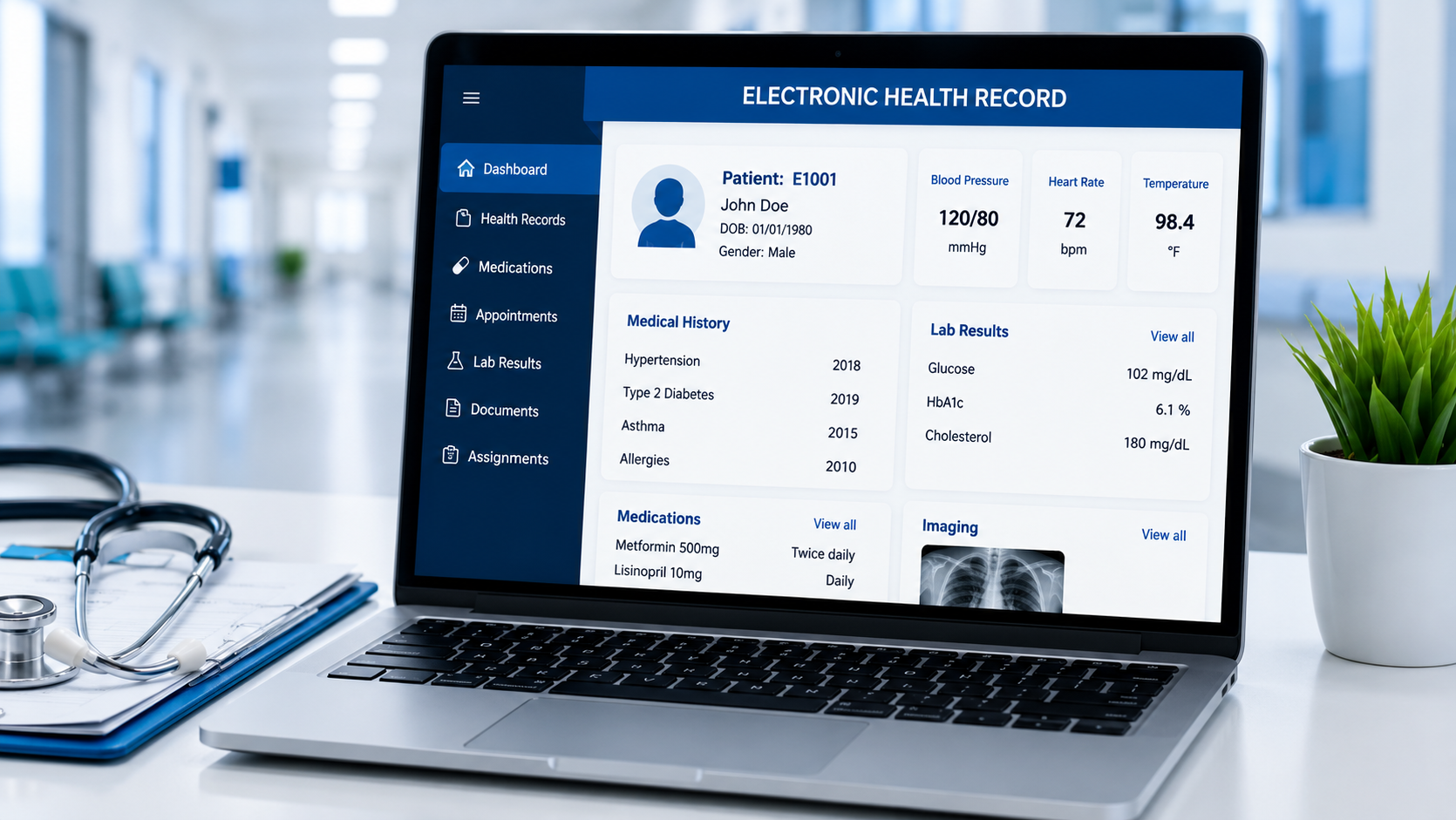
Integrating Wearable Data with Digital Health Records
Combining wearable data with digital health records provides a more complete view of an individual's health and supports better healthcare decisions.
Challenges of Wearable Health Tracking
Key challenges include data accuracy, information overload, privacy concerns, and the need for professional medical guidance.
The Future of Wearable Health Analytics
Advances in AI, predictive analytics, and remote monitoring will make wearable devices even more valuable for preventive healthcare.
Conclusion
Wearable health devices provide valuable health information, but their true value lies in the insights they generate. Combined with health analytics and AI, they help individuals make smarter health decisions and support long-term wellness.